 Musa
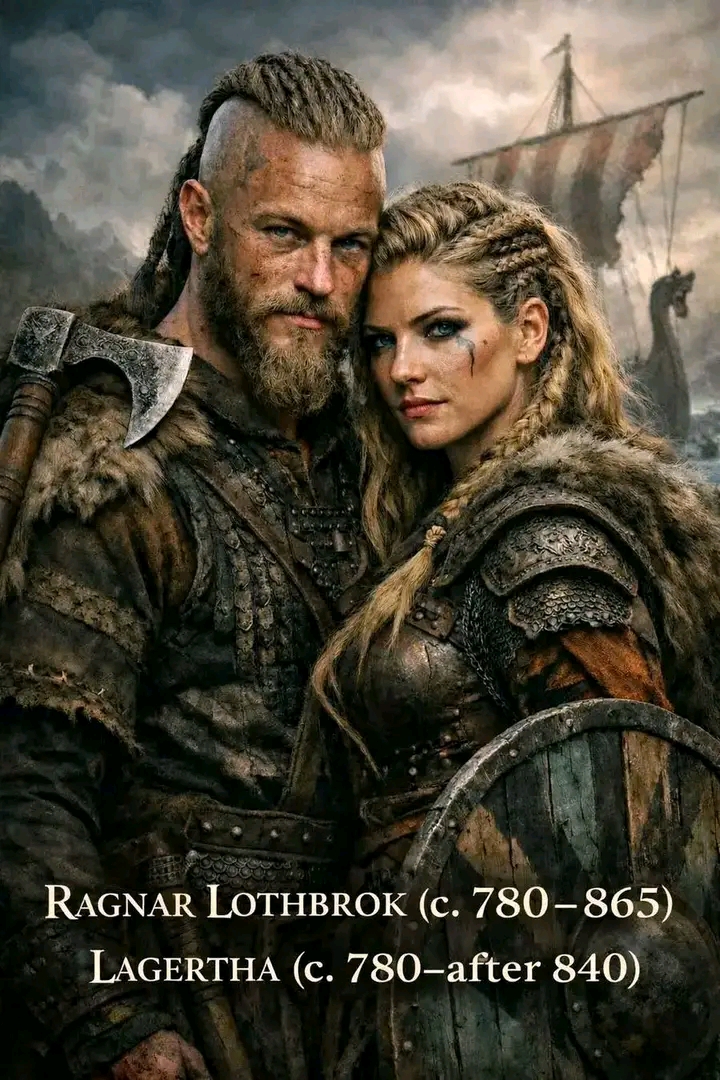
MusaThe Man the Gods Loved Most… and Destroyed Completely” serves as a haunting prologue to what is being hailed as Netflix’s darkest foray into Norse mythology. In a streaming landscape already crowded with shields and longships, this latest production distinguishes itself not through the scale of its battles, but through the systematic psychological dismantling of its protagonist.
The title taps into a core tenet of Viking lore: the idea that the “favor” of the gods is a double-edged sword. In this narrative, divine election is not a gift of protection, but a sentence of profound suffering. The gods of the North—Odin, Thor, and Freya—were never portrayed as benevolent guardians; they were fickle, demanding, and often cruel. To be “loved” by them was to be chosen as a vessel for their chaotic whims. This blog post explores how Netflix has transitioned from the historical action of Vikings: Valhalla into something far more Shakespearean and nihilistic.
The protagonist is introduced as a man who has everything: the strength of a bear, the tactical mind of a king, and a series of “miracles” that suggest he is destined for Valhalla’s highest halls. However, the brilliance of this series lies in the “destruction” promised by the headline. It isn’t a quick death in battle that breaks him, but the slow erosion of his humanity. By granting him everything he desires—power, victory, and fame—the gods effectively isolate him, stripping away his family, his morals, and eventually, his sanity.
Netflix has leaned heavily into the “Dark Fantasy” subgenre here, utilizing a bleak color palette and a script that feels like a funeral dirge. The “Darkest Viking Story Yet” tag is earned through scenes that prioritize the visceral over the cinematic. We see the toll of the “Blood Eagle,” the weight of betrayal, and the realization that the gods are not silent—they are laughing.
For fans of the genre, this headline promises a subversion of the typical “hero’s journey.” Instead of an ascent to greatness, we are witnessing a descent into a divine trap. It challenges the viewer to ask: Is it better to be ignored by the heavens and live a quiet, mundane life, or to be “loved” by the gods and carved into a legend at the cost of your soul? As the series progresses, the answer becomes devastatingly clear. This is not just a story of a fallen king; it is a cautionary tale about the price of greatness in a world ruled by monsters and myths.


 dam
dam