 dam
dam
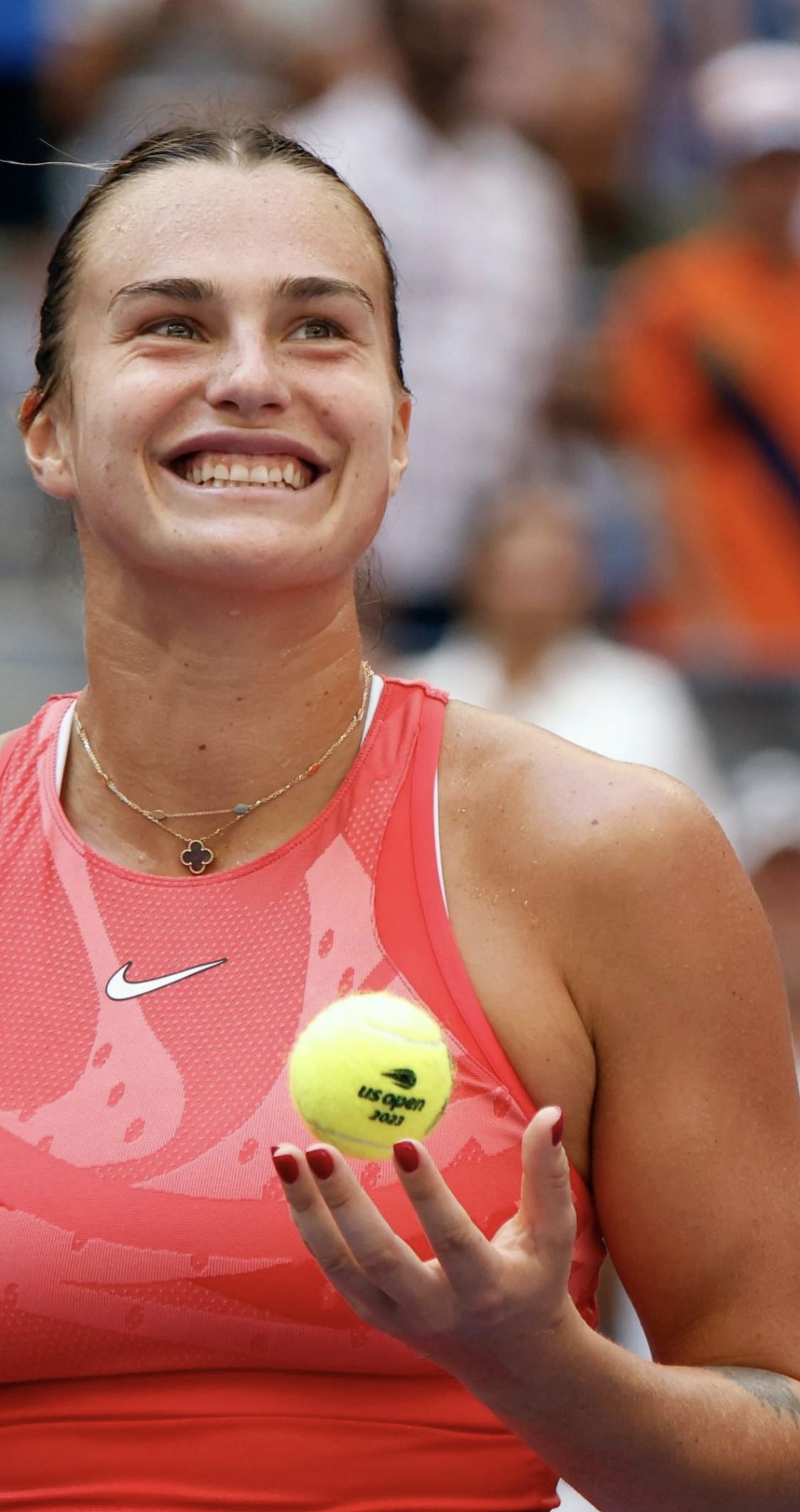
Aryna Sabalenka arrived at the Australian Open final with all the ingredients of a champion. Power, confidence, and the experience of having already lifted the Melbourne trophy were firmly on her side. Yet despite her undeniable talent and fighting spirit, the Belarusian star left Rod Laver Arena without the title, and many tennis observers believe a subtle but costly mistake played a major role in her defeat.
The “rule” Sabalenka was warned about isn’t written in the official rulebook, but it is one of the most respected principles in elite tennis: emotional discipline in the biggest moments. At Grand Slam finals, especially on hard courts in Melbourne where pressure feels amplified, maintaining composure can be just as important as hitting winners.
Throughout the final, Sabalenka showed flashes of brilliance that reminded fans why she is one of the most feared players on tour. Her serve remained a major weapon, and her groundstrokes regularly pushed her opponent deep behind the baseline. However, as the match tightened, cracks began to show. Missed opportunities, especially on key break points, were followed by visible frustration — hurried serves, rushed returns, and body language that suggested the pressure was creeping in.
Former players and analysts were quick to point out that Sabalenka appeared to abandon patience, a critical “unspoken rule” in Grand Slam finals. Instead of constructing points and trusting the process that brought her success earlier in the tournament, she went for too much too soon. In tennis, especially on the biggest stage, forcing the issue at the wrong time can quickly shift momentum — and that’s exactly what happened.
The Australian Open final is as much a mental test as a physical one. Champions are often those who accept long rallies, absorb pressure, and wait for the right ball to attack. Sabalenka, known for her aggressive style, thrives when she controls points, but the final demanded a balance between power and restraint. When that balance tipped, errors crept in, allowing her opponent to seize confidence and control.
This loss does not diminish Sabalenka’s status as one of the game’s elite. If anything, it highlights how small margins define Grand Slam finals. One emotional lapse, one rushed game, or one deviation from a proven game plan can decide everything.
As Sabalenka looks ahead to the rest of the season, this Australian Open final may serve as a valuable lesson rather than a setback. The power game is there. The experience is growing. If she learns to respect that unwritten rule of patience under pressure, future Grand Slam finals could end very differently.
For fans, one thing is certain: Aryna Sabalenka will be back — wiser, hungrier, and determined to turn lessons learned in Melbourne into future titles.


 dam
dam


 John Owolabi