 dam
dam
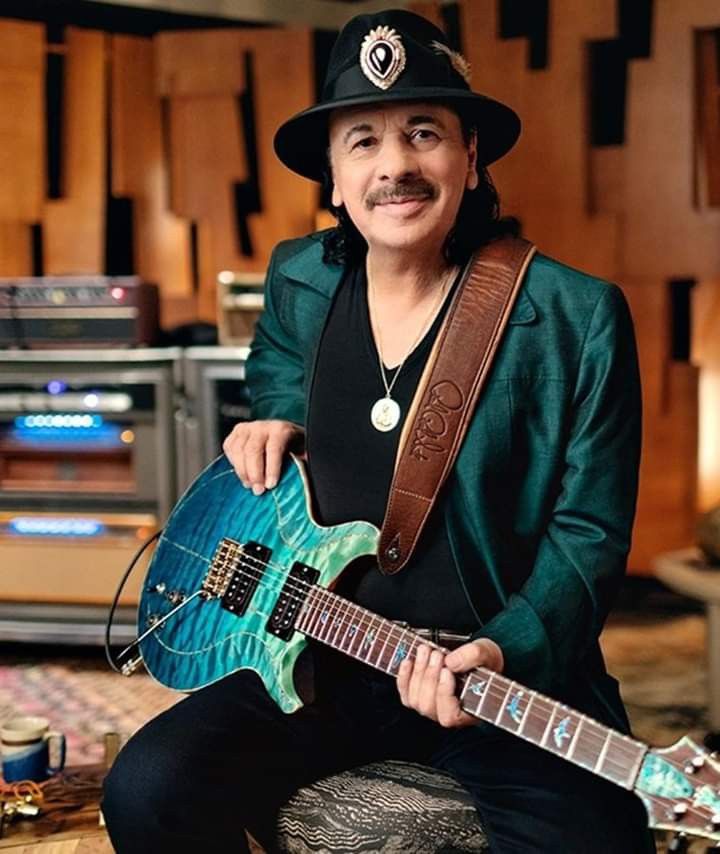
Long before Paul Reed Smith guitars became a staple on the world’s biggest stages, one of their most influential believers was already a global icon: Carlos Santana. Today, the partnership between Santana and PRS feels like destiny, but in the early days, it was built on skepticism, curiosity, and a moment that nearly didn’t happen at all.
In the late 1970s and early 1980s, Paul Reed Smith was still an ambitious guitar builder chasing a dream, handcrafting instruments with an obsessive attention to detail. Santana, by then a legend known for his soulful tone and spiritual connection to music, had played just about every top-tier guitar imaginable. When PRS guitars were first introduced to him, Santana’s reaction wasn’t immediate acceptance—it was disbelief.
Santana reportedly thought the guitars were too good to be true. The tone, sustain, and balance felt almost unreal. For a player who believed that great sound came from struggle, imperfections, and years of searching, the idea that a relatively unknown builder could deliver such perfection raised red flags. Santana wondered if the guitars were somehow “tricking” him—whether the sound would hold up over time or fade once the novelty wore off.
But guitars, like music, don’t lie for long.
As Santana continued to play the early PRS models in rehearsals and performances, something became undeniable. The guitars weren’t just consistent—they responded to his touch, amplified his phrasing, and carried his signature sustain with remarkable clarity. Instead of fighting the instrument, Santana found himself flowing more freely. That was the turning point.
What followed became one of the most important artist-builder relationships in modern guitar history. Santana didn’t just endorse PRS; he became one of its earliest and most powerful champions. His faith in Paul Reed Smith gave the brand instant credibility among professionals who paid close attention to what Santana played on stage.
For PRS, Santana’s support was transformative. For Santana, the guitars became an extension of his voice. The PRS Santana signature models that followed were not marketing tools—they were the result of deep collaboration, refined over years of performance, touring, and tonal exploration.
Today, PRS guitars are synonymous with craftsmanship, and Santana’s sound remains instantly recognizable. Looking back, it’s almost poetic that skepticism played such a key role in the story. Santana didn’t believe in hype—he believed in feel, tone, and truth. And when a guitar proved itself night after night, he embraced it fully.
Sometimes, the greatest partnerships begin not with instant trust, but with doubt that slowly transforms into belief.


 dam
dam