 dam
dam
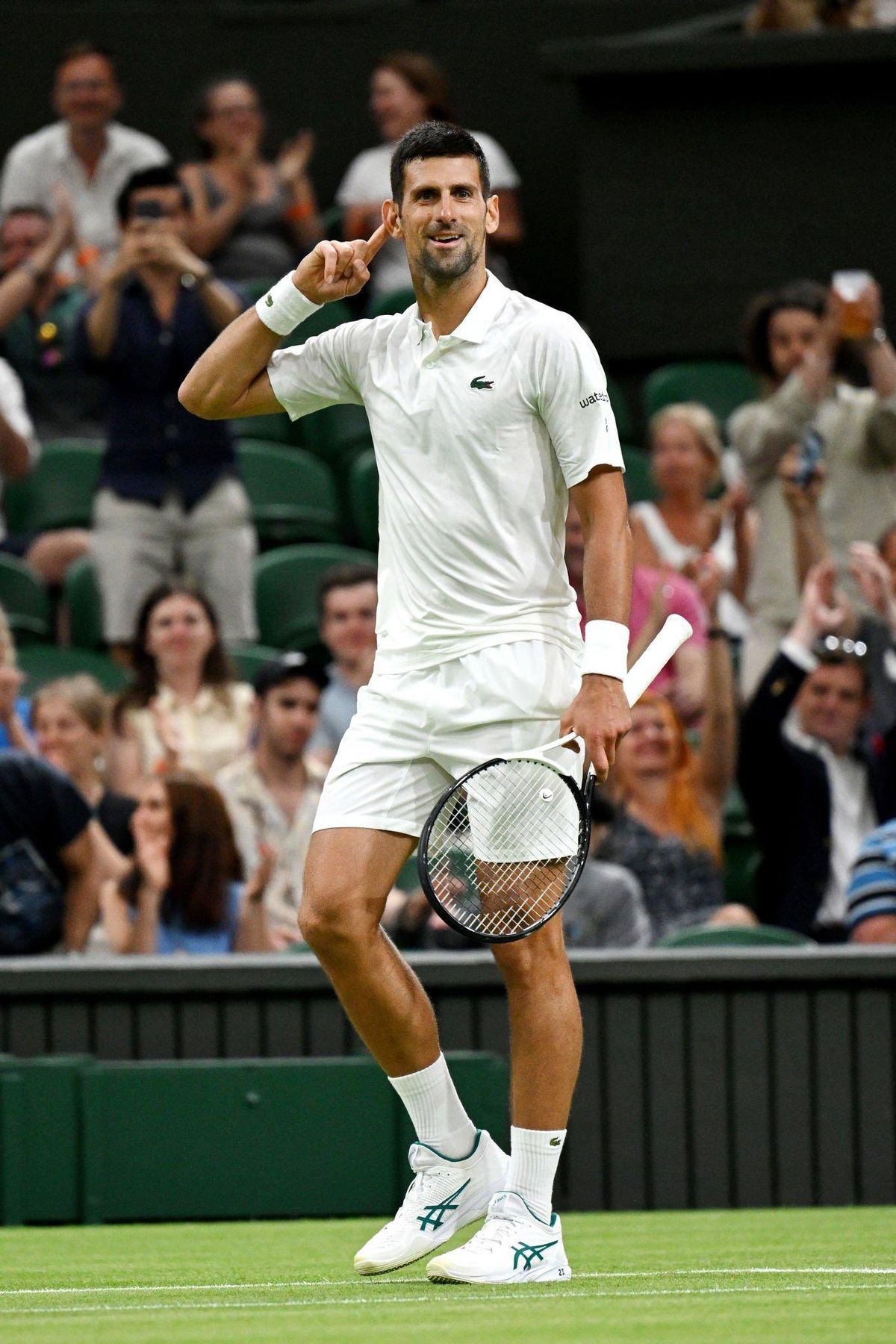
History has a way of bending toward those bold enough to chase it, and in men’s tennis today, no two figures embody that pursuit more vividly than Novak Djokovic and Carlos Alcaraz. One stands as the most decorated player the sport has ever seen, the other as its brightest modern heir. Though they are at vastly different stages of their careers, the roadmap to greatness for both is remarkably clear—and strikingly similar in its demands.
For Djokovic, history is no longer about proving dominance; it is about refining legacy. Every tournament he enters now carries the weight of records—Grand Slam tallies, weeks at world No. 1, and longevity benchmarks never before reached. The blueprint for the Serbian icon is built on ruthless efficiency. He does not need to reinvent his game; instead, he must manage his body, pick his battles wisely, and peak at the biggest moments. Djokovic’s success has always rested on unmatched return games, elastic defense, and mental steel. To keep writing history, the formula remains the same: conserve energy early in events, elevate when the stakes are highest, and trust a system honed over nearly two decades.
Carlos Alcaraz, by contrast, is still sketching the first chapters of his legend. Yet the clarity of his path is just as sharp. The Spaniard’s blueprint is about controlled aggression and sustainable brilliance. His explosive athleticism, fearless shot-making, and infectious energy have already delivered major titles, but history demands consistency. For Alcaraz, the challenge is not whether he can reach astonishing heights—it is whether he can do so repeatedly, across surfaces, seasons, and pressure-filled moments. Fine-tuning his schedule, managing expectations, and sharpening tactical patience are the keys that will turn prodigious talent into enduring dominance.
What links Djokovic and Alcaraz is their shared understanding that greatness is not accidental. Both players approach tennis as a long-term project, where physical preparation, mental resilience, and strategic clarity intersect. Djokovic’s obsessive attention to detail has set the modern standard; Alcaraz appears eager to learn from that model while imprinting his own style on the sport.
Their rivalry—whether direct on court or symbolic across generations—adds another layer to this historical chase. Djokovic represents the ultimate benchmark, the final boss of an era. Alcaraz represents the future pressing impatiently against the present. Each time their paths cross, it feels less like a match and more like a referendum on time itself.
As they eye history, the blueprint is unmistakable. For Djokovic, it is about sustaining excellence beyond what anyone thought possible. For Alcaraz, it is about transforming potential into permanence. Different journeys, same destination: immortality in tennis lore.


 Musa
Musa

 dam
dam
 Ade
Ade