 dam
dam
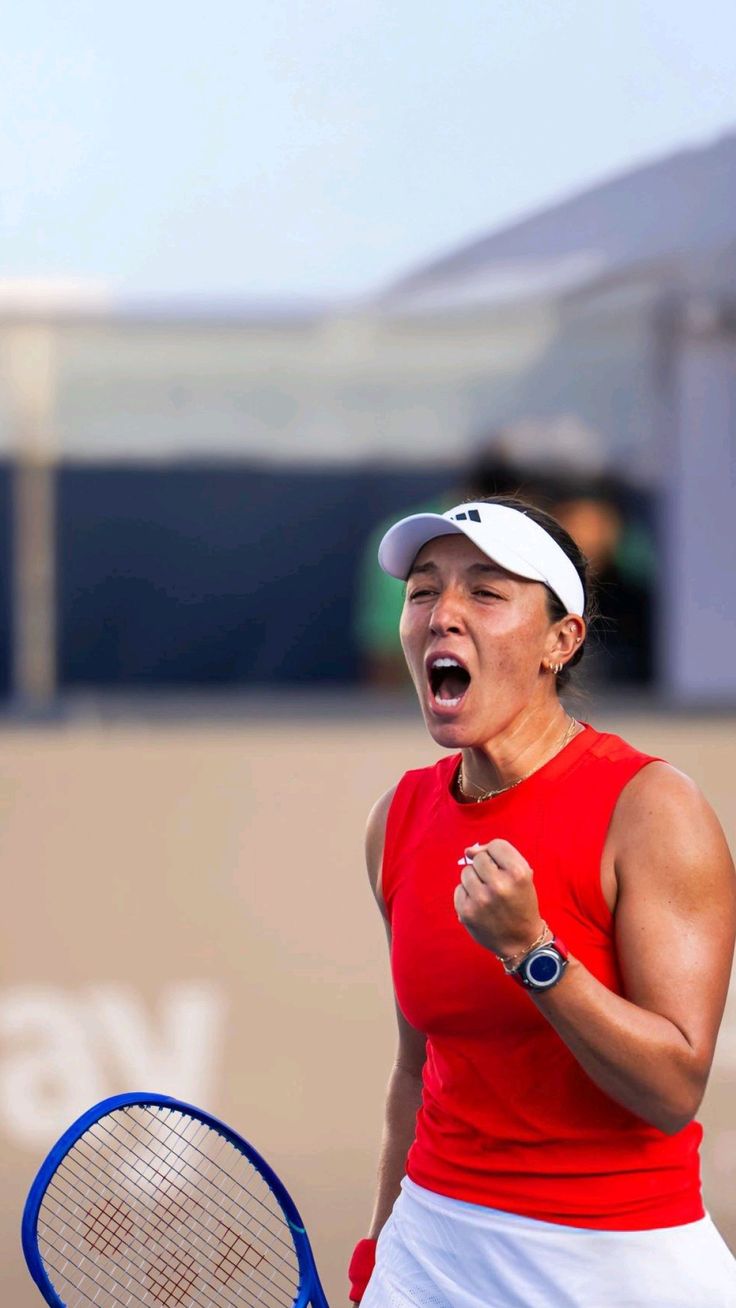
Jessica Pegula heads into the Australian Open carrying a familiar but ever-growing weight: expectation. Seeded sixth in Melbourne, the American arrives not as a dark horse or under-the-radar threat, but as one of the tournament’s most reliable contenders—steady, battle-tested, and quietly dangerous.
Pegula’s rise into the upper tier of women’s tennis hasn’t been flashy, but it has been relentless. Year after year, she has piled up wins against top-ranked opponents, carved out deep runs at major tournaments, and built a reputation as one of the toughest outs on the WTA Tour. Being seeded sixth reflects not only her ranking, but the respect she’s earned for consistency in an era defined by volatility.
The Australian Open has been a proving ground for Pegula in recent seasons. She has shown she can handle the pressure of Rod Laver Arena, navigate brutal early-round matchups, and outlast opponents in physical baseline exchanges. Her clean ball-striking, exceptional return game, and underrated net skills make her particularly well-suited to Melbourne’s fast hard courts.
Still, the sixth seed comes with its own challenges. It places Pegula squarely in the path of the tournament’s biggest names—meaning there will be no easy route if she hopes to make a serious title push. The draw could bring an early clash with a former champion or an explosive rising star, testing both her tactical discipline and mental resilience.
Yet that’s where Pegula often thrives. She doesn’t rely on emotional surges or risky shot-making. Instead, she absorbs pressure, redirects pace, and forces opponents to earn every point. In long matches, her calm demeanor and fitness frequently tip the balance in her favor.
As the Australian Open unfolds, Pegula enters with something to prove—not to critics, but to herself. A sixth seed is a mark of achievement, but also a reminder that the next step is breaking through at the biggest moments. Melbourne offers her that opportunity once again.
If Pegula can blend her trademark consistency with a touch more aggression when it matters most, the sixth seed may end up looking like a starting point rather than a ceiling.


 Musa
Musa


 dam
dam
 laddylovethy