 laddylovethy
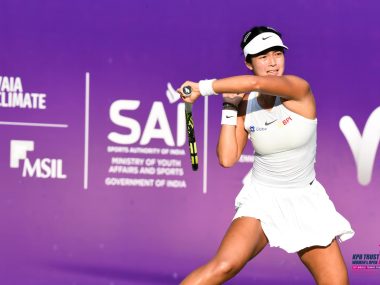
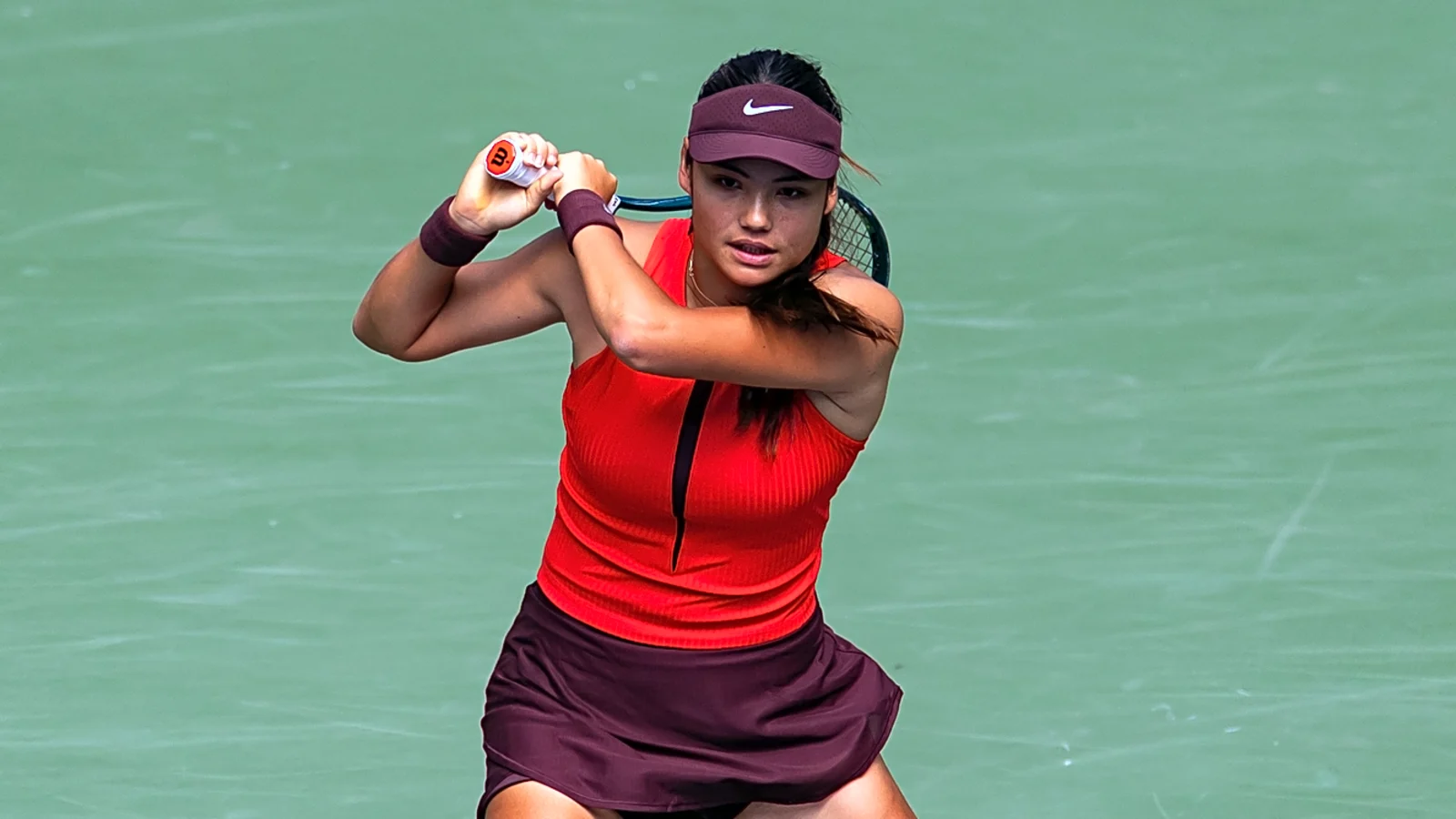
Emma Raducanu’s recent reflections on the professional tennis calendar reveal a perspective that stands out from many of her peers. While much of the tennis world continues to debate the demands of an 11-month season, frequent travel, and the physical toll on players, Raducanu has chosen a more grounded, balanced approach. Rather than joining those who publicly complain about the schedule, she argues that players should acknowledge the privilege and opportunities their careers provide. Her remark — “We make a great living” — captures her belief that perspective is essential in conversations about workload and pressure within the sport.
Raducanu recognizes that the professional calendar is undeniably demanding. Players are expected to travel around the world continuously, compete in tightly packed tournaments, and manage the risks of injury, mental fatigue, and burnout. She has experienced these pressures firsthand. Her 2025 season required her to play more matches than she had in previous years, and she dealt with physical setbacks and periods of fatigue. Yet, when addressing the issue, she stresses that the challenges of tennis should not overshadow the many advantages that come with competing at the top level.
Her point is not that tennis is easy. Instead, she believes it is important to maintain gratitude and realism. In her view, many people work long hours in far more difficult conditions without the financial rewards or global opportunities that tennis offers. For that reason, she feels uncomfortable with the idea of publicly “moaning” about the schedule. To her, professionalism includes acknowledging that although the job can be tough, it is also exceptionally rewarding. Her comments reflect a sense of responsibility and maturity that she feels players should model.
A key part of Raducanu’s stance relates to how younger athletes and fans perceive the sport. She believes that constant public complaints from top players could send the wrong message to the next generation. Aspiring athletes — many of whom dream of reaching the elite level — should see role models who demonstrate resilience, gratitude, and commitment rather than frustration. According to Raducanu, presenting a positive, professional outlook helps preserve the aspirational spirit of the sport.
Her viewpoint is also deeply influenced by the personal growth she experienced throughout the 2025 season. She rebuilt her coaching team, improved her training structure, and focused on developing both her game and her life off the court. Spending time at home, reconnecting with family, and establishing healthier routines helped her maintain perspective. These adjustments have shaped the way she sees her career: not only as a competitive journey, but as a privilege she wants to appreciate rather than criticize.
Raducanu’s comments bring a fresh voice to a longstanding debate in tennis. While some players argue that the season should be shortened to protect athletes’ health, Raducanu focuses on mindset and gratitude. Her refusal to complain does not ignore the sport’s challenges; instead, it reframes them. Her attitude highlights resilience, self-awareness, and appreciation for the opportunities the game brings — qualities that mark her as one of the sport’s more grounded and thoughtful figures.


 dam
dam
 Ade
Ade
 Musa
Musa