 dam
dam
Coco Gauff’s Australian Open campaign ended in frustration, and not just because of the scoreline. Following her 6-1, 6-2 quarterfinal defeat to Elina Svitolina in Melbourne, the American star found herself at the center of an unexpected debate about privacy in modern tennis after cameras caught her smashing a racket in a restricted area of the stadium.
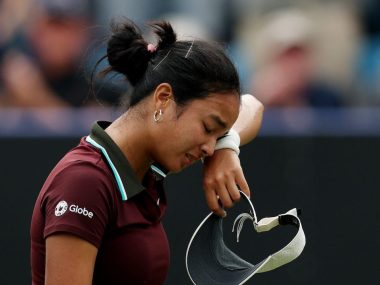
The 19-year-old, who arrived at the Australian Open as one of the tournament favorites, struggled to find rhythm against Svitolina’s relentless defense and tactical discipline. As the match slipped away, emotions boiled over. After the final point, Gauff headed off court and, in a moment of raw frustration, broke her racket — an incident that would typically remain unseen. This time, however, cameras followed, and the clip quickly circulated online.
Speaking afterward, Gauff expressed discomfort with how the moment was broadcast, criticizing what she sees as a growing lack of privacy for players at major tournaments. While she did not deny her frustration or try to excuse the outburst, Gauff questioned why every emotional reaction must be documented and shared, especially in areas players assume are private.
In an era where behind-the-scenes access has become a selling point for broadcasters and social media platforms, Gauff’s comments have struck a chord. Tennis players are increasingly followed from the court to the tunnel, the locker room corridors, and even practice areas. For fans, this offers unprecedented intimacy. For players, it can feel invasive, particularly in moments of vulnerability following tough losses.
Gauff emphasized that athletes are human first, competitors second. Losing on one of the sport’s biggest stages can be emotionally overwhelming, and she argued that players should be allowed space to process disappointment without the fear of viral scrutiny. Her comments reopen an ongoing conversation about where the line should be drawn between fan engagement and personal boundaries.
The incident also highlights the pressure faced by young stars like Gauff, who have grown up in a digital age where mistakes and emotions are instantly amplified. Unlike previous generations, today’s players must navigate not only elite competition but also constant visibility, knowing that a single reaction can dominate headlines.
Despite the disappointing exit, Gauff remained measured in her assessment of the match, crediting Svitolina for her performance and acknowledging areas she needs to improve. Yet it was her remarks off the court that resonated most, adding a human layer to a sport often focused solely on results.
As tennis continues to evolve as an entertainment product, Gauff’s stance may prompt organizers and broadcasters to reflect. The question now is whether tournaments can balance access and storytelling with the respect and privacy players increasingly demand.


 Musa
Musa


 dam
dam